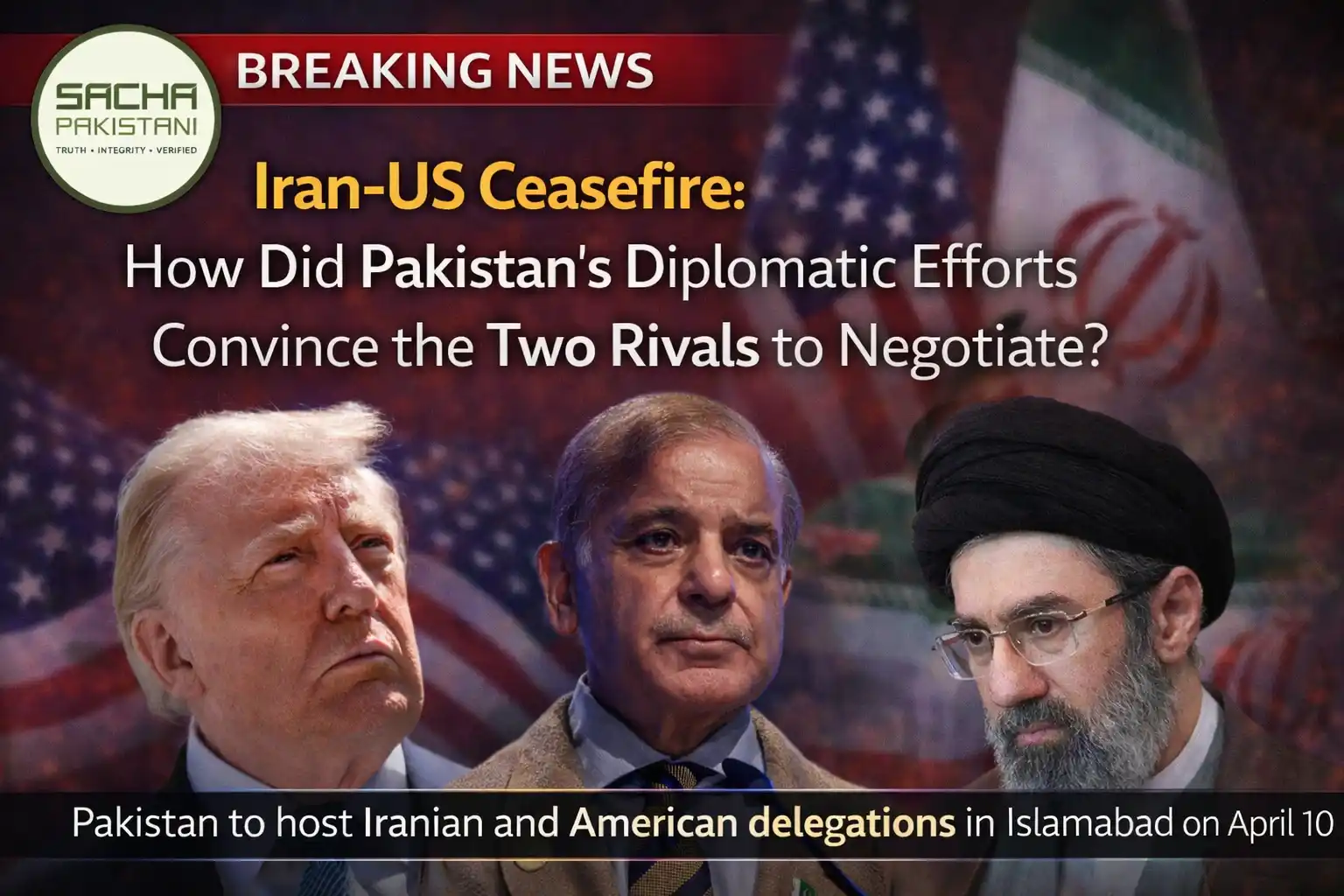
Iran-Us Ceasefire: How Did Pakistan’s Diplomatic Efforts Convince the Two Rivals to Negotiate?
How a country previously considered a victim of ‘international isolation’ suddenly became the center of global attention due to its diplomatic efforts, and how the US and Iran agreed to negotiate under its mediation.
When a new conflict erupted in the Middle East following the US and Israeli attacks on Iran on February 28, perhaps no one imagined that Pakistan would not only play a central role in the ceasefire efforts, but that Islamabad’s diplomacy would lead to a ceasefire.
On Wednesday, US President Donald Trump confirmed on Truth Social that he was extending his deadline by two weeks at the request of Pakistani Prime Minister Shahbaz Sharif and Field Marshal Asim Munir and was willing to negotiate with Iran.
Iran also praised Pakistan’s efforts for a ceasefire, expressed its willingness to open the Strait of Hormuz, and confirmed that it would participate in talks with the United States in Islamabad.
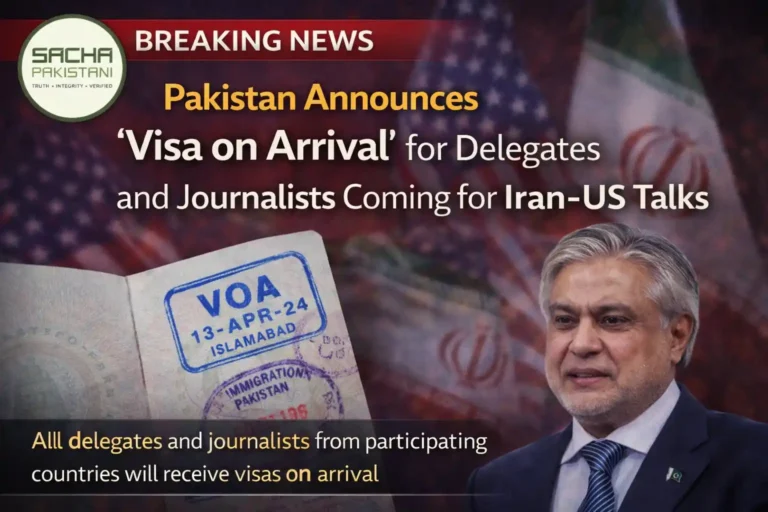
Prime Minister Shehbaz Sharif has confirmed that talks will be held in Islamabad on April 10 and Pakistan will host Iranian and American delegations.
The purpose of this article is to understand how a country that was previously considered a victim of ‘international isolation’ suddenly became the center of attention worldwide due to its diplomatic efforts, and how the United States and Iran agreed to negotiate under its mediation.
Pakistan’s ‘balanced’ policy
Iran had targeted US bases in the Gulf countries in response to US attacks. While Iran is Pakistan’s neighbor, Islamabad also has long-standing and close ties with the Gulf countries.
Pakistan also signed a defense agreement with Saudi Arabia last year.
Not only this, Pakistan also has close ties with the US administration. President Donald Trump himself addresses Prime Minister Shehbaz Sharif as a ‘respectable’ person and Asim Munir as ‘my favorite field marshal’.
In such a situation, Pakistan has tried to maintain a balance in its relations with all parties since the beginning of this conflict. While it condemned the attacks on Iran, Islamabad also issued statements against Tehran’s attacks on Gulf countries.
The Pakistani Prime Minister also called the killing of Ayatollah Khamenei in a US and Israeli attack a violation of “international law.”
Over the past five weeks, Pakistani Prime Minister Shahbaz Sharif, Foreign Minister Ishaq Dar, and Field Marshal Asim Munir have reached out to leaders around the world, Pakistan has led a meeting of the foreign ministers of four Islamic countries—Turkey, Saudi Arabia, Egypt, and Pakistan—and Pakistan and China have agreed to a five-point agreement to reduce tensions.
Analysts and observers say that Pakistan’s policy has earned it the trust of all parties.
Maleeha Lodhi, who previously served as Pakistan’s ambassador to the United States and the United Nations, says that mediation between the United States and Iran was a complex process, but Pakistan met the “challenge of maintaining balance” in its policy, which made a temporary ceasefire possible.
She says, “Both Iran and the US were exhausted and both were looking for an opportunity to de-escalate tensions, and Pakistan provided them with this opportunity through mediation and messaging between the two.”
Maleeha Lodhi believes that the parties were also facing economic difficulties due to this dispute, Trump was also facing criticism within the country and his popularity was also declining.
Pakistan also had the support of the Gulf countries in this mediation process. According to the former Pakistani ambassador, during the dispute, “Pakistan was in constant contact with the Gulf countries, Prime Minister Shahbaz Sharif took the heads of these countries into confidence and this is reflected in the phone calls he made.”
Mushahid Hussain Syed, who previously headed the Pakistani Senate Standing Committee, is also seen praising Pakistan’s foreign policy.
He told BBC Urdu that it was because of the Pakistani leadership’s “better relations, balance and principled stance” that the US and Iran trusted Pakistan and agreed to a temporary ceasefire.
“While Pakistan condemned Iran’s attack on Saudi Arabia’s oil field, Pakistan did not support the unilateral resolution presented in the United Nations Security Council regarding the Strait of Hormuz.”
“This is why Pakistan got a position in Tehran, Washington, Riyadh and Beijing that no one else had.”
Simon Wolfgang, an associate professor at the Hebrew University of Jerusalem, believes that Pakistan has proven its importance as a reliable partner for the United States in recent times.
“He has deep ties to the Trump administration, good relations with Iran, he has made crypto deals with people considered close to the US administration and joined Trump’s Board of Peace.”
“Pakistan worked towards a trusted partner to open all diplomatic channels because its own economy was also under pressure due to this war.”
Trump’s deadline and the last 48 hours
President Trump gave Iran until April 7 to reach a deal with the United States and threatened to “wipe out the entire civilization” if it failed.
During this time, Israel launched a major attack on Iran, after which Tehran responded by attacking a petrochemical complex in Saudi Arabia.
Saudi Arabia is Pakistan’s defense partner, and after the Iranian attacks, a strong statement was issued after the Pakistani army’s Corps Commanders’ Conference, condemning the attacks on Saudi Arabia by naming Iran.
In a statement issued by the ISPR, Iran’s attack on Saudi Arabia was described as an unnecessary escalation and unjustified aggression affects peaceful initiatives and a conducive environment.
“This was a clear signal from Pakistan that the attacks on Saudi Arabia needed to be stopped,” says Omar Karim, a researcher at the King Faisal Center for Research and Islamic Studies.
“These signals are being made to force Iran to reach a conclusion in the negotiations for a ceasefire, and also so that Iran remains aware that further attacks on Saudi Arabia may have to bear the consequences.”
‘Personal relationship’ between Field Marshal Asim Munir and President Trump
Reports have been circulating in the international media that Field Marshal Asim Munir has been in contact with the American leadership.
The White House itself confirmed to BBC Urdu a few days ago that there had also been a phone conversation between President Trump and Field Marshal Asim Munir.
Former Pakistani ambassador Maleeha Lodhi also believes that the personal relationship between Trump and Field Marshal Asim Munir has also played an important role in Pakistan’s mediation efforts.
Mushahid Hussain Syed also claims that this reconciliation process was being led by ‘Trump’s favorite field marshal’ Asim Munir.
Can Pakistan turn the temporary ceasefire into a comprehensive agreement?
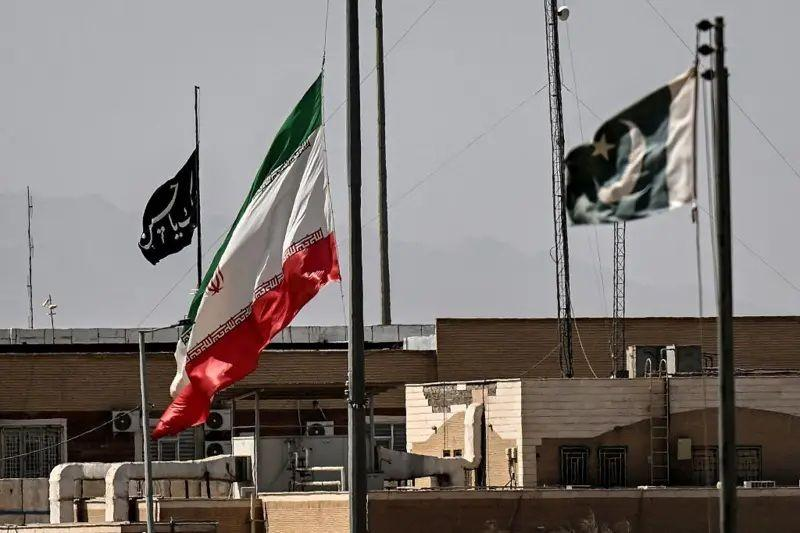
Although Pakistan has convinced the parties to the tense situation to talk, the question arises: can Islamabad turn this temporary ceasefire into a comprehensive agreement?
Former Pakistani Foreign Secretary Aizaz Chaudhry says, “This battle has proven that the requirements of war have now changed and it is not necessary that the country that is more powerful wins the war.”
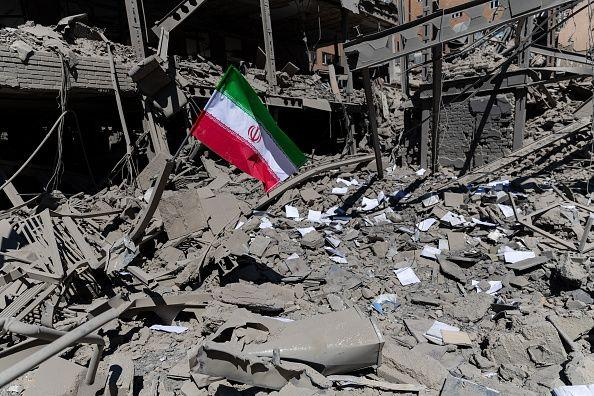
He said, “This war has already caused a lot of damage, there was devastation in Iran, US bases in the region were damaged, the global economy was affected, and now it is time for both countries to move towards achieving lasting peace with sincerity.”
“The next step to reach a comprehensive agreement is difficult and Pakistan should continue to facilitate with the hope of improvement.”
Pakistan has taken China into confidence throughout this mediation process, and observers believe that Beijing and other countries can play a role in the success of these negotiations.
“Pakistan’s diplomatic efforts have certainly played a major role in bringing about a ceasefire, but I think China’s role has also been fruitful,” says Simon Wolfgang, an associate professor at the University of Jerusalem.
“When Iran was giving the impression that it was actually winning this war, China was the only country that could put pressure on Tehran for a ceasefire, which Pakistan probably could not.”
Mushahid Hussain Syed also seems to agree with this. He says, “At this point, the United Nations, and especially Security Council members like China and Russia, should be included in this process to pave the way for lasting peace.”
However, despite all of Pakistan’s efforts, clouds of danger still hang over the entire process.
Simon Wolfgang says Israeli attacks on Lebanon could disrupt any expected agreement between Iran and the United States.
“Israel has publicly denied Shahbaz Sharif’s statement, saying that Lebanon is not a party to the agreement. Initially, the US supported Pakistan’s position, but now it seems to be supporting the Israeli position.”
“I’m afraid that the whole process may be jeopardized because of this, but it will not be Pakistan’s fault.”